Artist Lee Krasner By Richard Schulman
Fictional Truths
In praise of passion. Pieter Bruegel the Elder’s The Hunters in the Snow might be seen as a waltz of sadness and sorrow. The hunters return from the hunt with little to show for their efforts, yet their lack of bounty has never been a true measure of their lives. Being defeated by nature is merely a single day’s experience. A grander movement awaits…nature’s choreography awaits them. Much like the bliss and heartache a painter may capture on canvas, the hunters are reminded that the broader canvas of life’s accomplishments is unconditionally theirs. It is a place like the artist’s canvas where comfort and solace await.
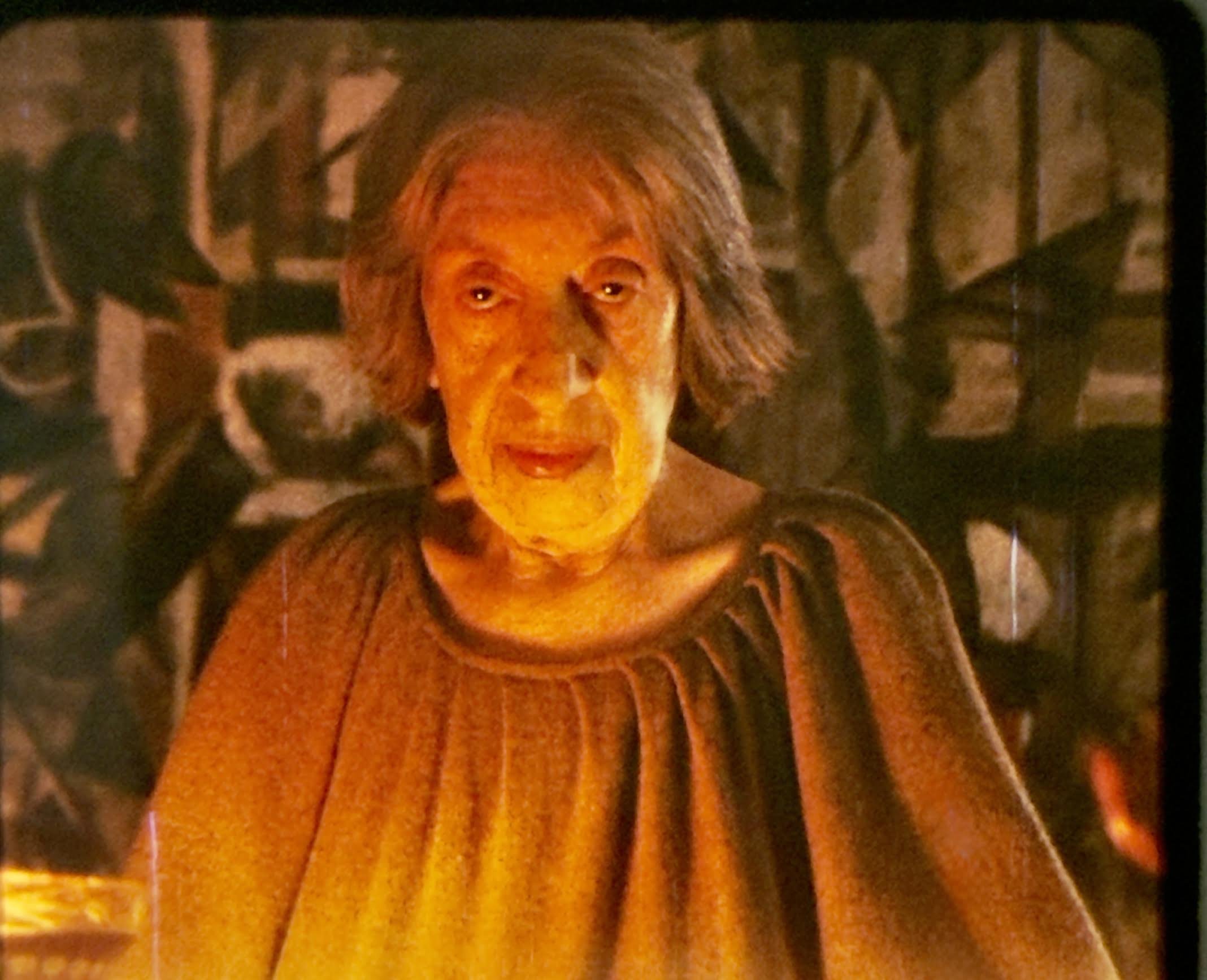
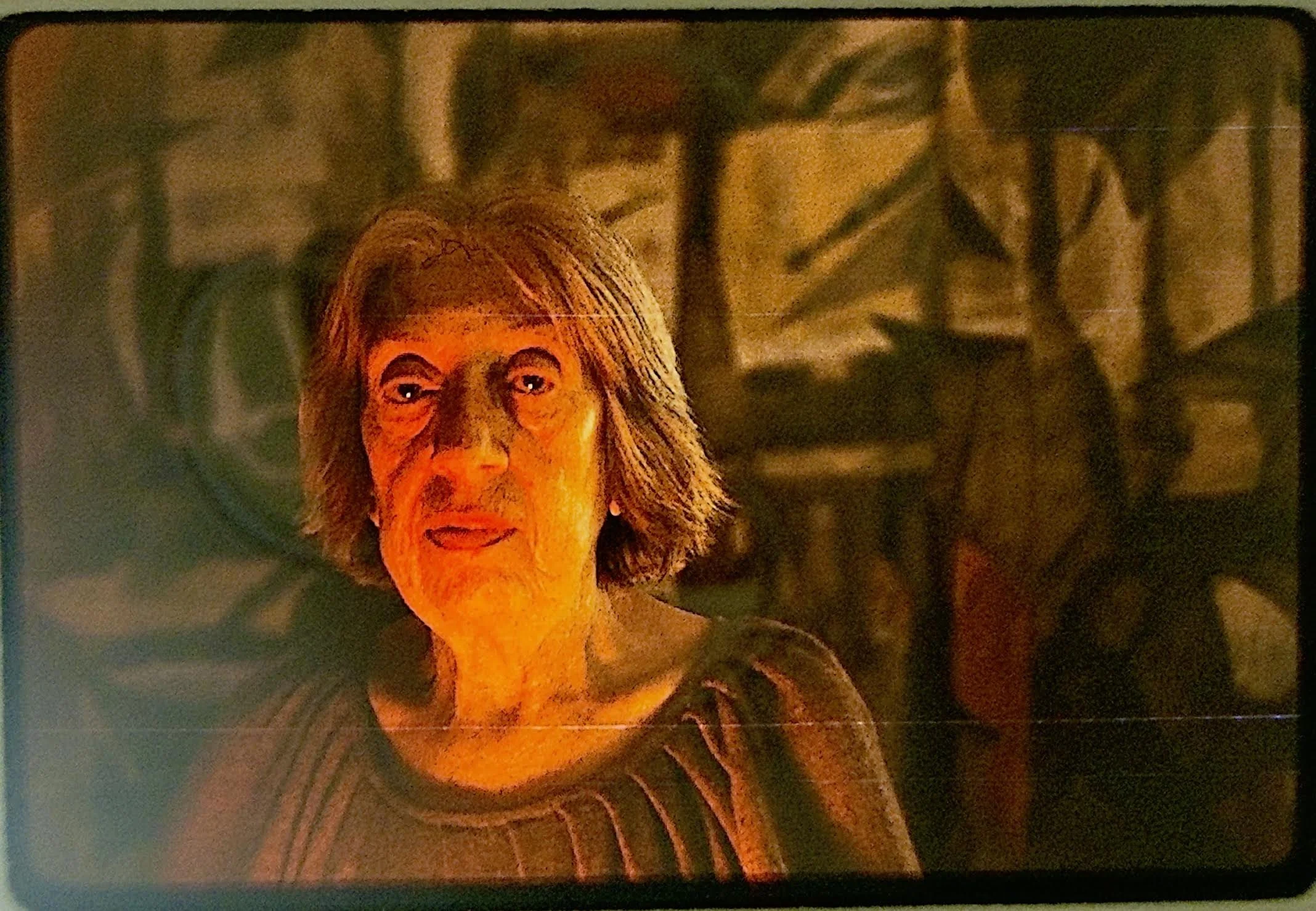
Lee Krasner the artist invited me into her home. I reached out to connect my youth to her longevity. If you could have walked inside of me as I stood to grasp her hand, you might have heard the many octaves her lifelong voices were singing. The handshake felt like a beckoning to enter. She led me to the middle of her apartment. At first she seemed encompassed by fragility that could just be like a placard of time. I realized she wasn’t fragile. She was a woman of many parts. She didn’t own a defeated bone in her body. In the immediate seconds, I imagined her to lead me into a box step and a twirl. Then, I saw the embers of time. We were many decades apart. She didn’t want to be young again. She did not need to mingle with time or reframe it. She seemed prepared to dance through stories that illuminated a place that would bring us together.
You do not have to be an art historian or art critic to witness the life of an artist standing naked before you, exposing all the vulnerability she owns all the vulnerability she can bear witness to. These were struggles both within and out of body. You don’t understand a life lived and the frail frayed texture that accompanies the end of time until you meet it head on. That was how it felt with Lee. Her face read like a poetic reveal: American abstract expressionism was waving hello.
I had visited the Pollock/Krasner foundation. It was the former home of the artists. I often recall those photographs I shot. It seemed like a ghostly menagerie. A place where paint and souls still lived in quiet tempo of artistic powers.
I imagined watching the visiting legions, like an art world version of Heaven Can Wait. I floated within and aside of the rooms, thinking, how they had lived. A voluminous contribution in a short period of time. The DNA of two artists in the midst of a living discovery, the art world’s future. All of this, and yet Lee Krasner historically and critically is intertwined with her days as Jackson Pollock’s wife. I expected to see a woman in defeat. In fact there face to face with just me, was this sinewy mountain of strength for all to admire.
Death before dying is how I began to engage my earliest portraits. A younger me wrestled with each knock on the door of a new intended portrait.
“How’s Bill? I was told you photographed him.” Everything I had lived through spilled out like film sprockets across my own private sky. In that moment I felt the need for words of another. I needed to share my wars in the hinterlands with Lee Krasner. She was like Napoleon charting his advance to send scouts with pontoons across the Berezina River to measure the oppositions strength and positions. Lee wanted the word on the streets. She wanted my histories. She assumed I had the answers and remnants about her art world in my breast pocket. All of my stories then were like a new season of fresh blood.
My Willem de Kooning calling card opened so many eyes and doors. People wanted to listen to me as I wanted to listen to them.
I had photographed some of the women for whom she blazed a trail: Helen Frankenthaler, Louise Bourgeois, Louise Nevelson, Elizabeth Murray and more. My mind could feel her welcoming my stories. I was not thinking about all of the artists who came before or after Lee Krasner. I was thinking about how the skin of this aged woman of art of history was a cinematographer’s masterpiece.
I met many creative souls who I was certain had died many years before. During my emerging days as a photographer, I was both category five on steroidal adrenaline and strikingly frightened by the mass of fascinating poses ahead of me. I had passed through the galaxy’s “black hole and found a place, where, alive, I could become happily lost in real life reveries. There was no wrong turn. There were so many stories to live in; it shakes me to the core at times that I raced through those days so quickly. The depth and massive amount of people who might have influenced my eyes for today and tomorrow, were life changing.
If, someone asked me about artists and art history, I would admittedly know less than I should. I can settle for the feeling that my eyes were filled with an infusion of elixirs, like a gathering of bees in a beehive on psychedelics. Sometimes I revisit those spaces in mind. I allow myself to meld my eyes into the thousands of captures.
There is a silent oeuvre of subjects who have lived in my archival film sleeves, tucked away in darkness. I visit and revisit it if for nothing else, for the conversations that have passed. The voices who were here one day, gone the next and left on canvases. Oh, to be a boy with a camera.
Years later, an art collector escorted me around his office. The space I remember it had ten or fewer Lee Krasners in view. After he was satisfied that I had seen all that he wanted me to see, he asked, “Can you feel her?”
I could only say, “Oh that figurative sense is pretty powerful!”